
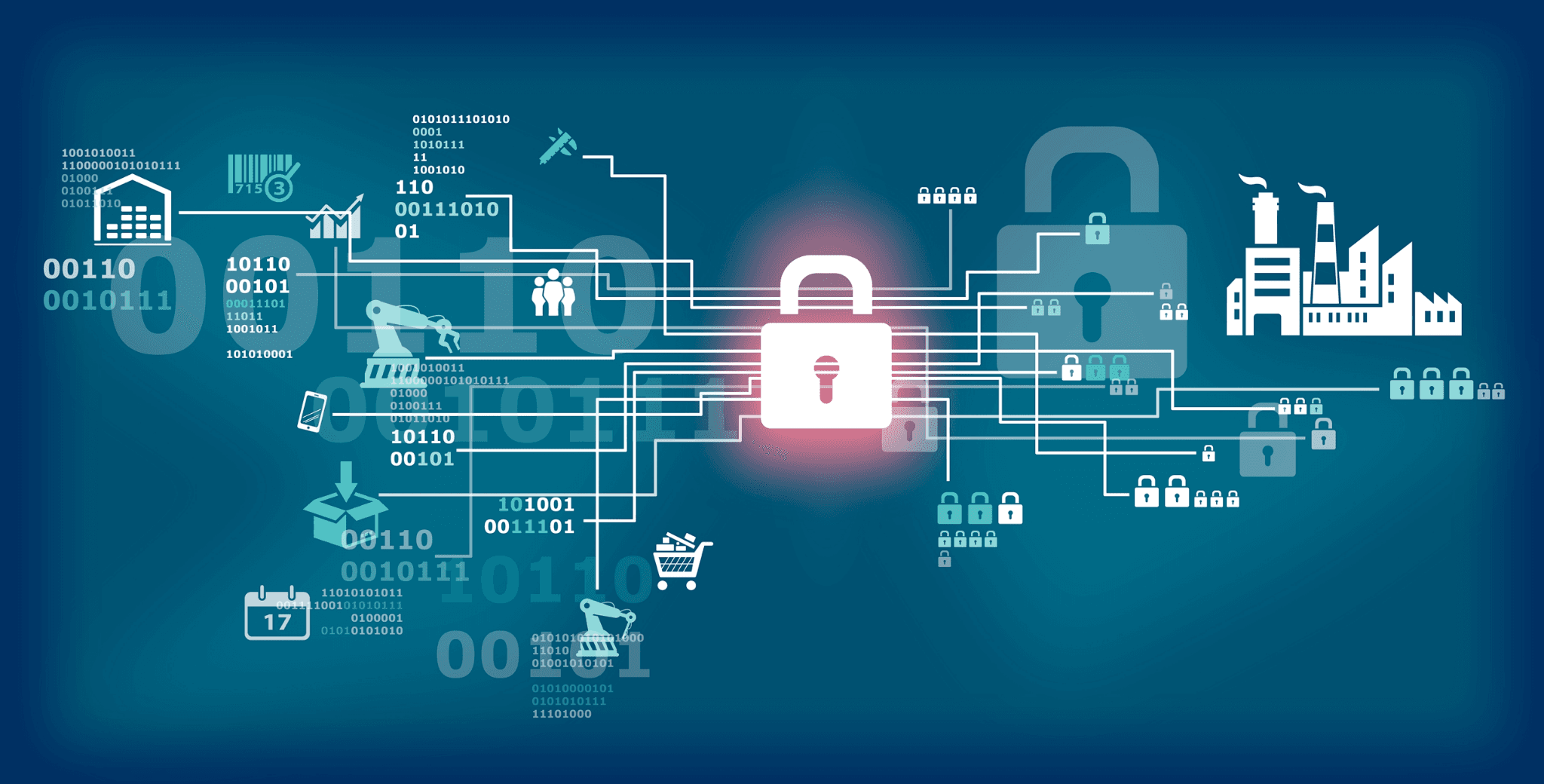
IT security is critical for small businesses, as they are often targeted by cyberattacks due to their lack of resources and means to defend themselves. Cyber risks for small businesses include computer viruses, ransomware, phishing, and man-in-the-middle attacks. To protect their company against these risks, small business owners must implement security measures such as regularly updating software and operating systems, using strong passwords, and deploying security software to protect sensitive data. It is also important to raise employee awareness of cyber risks and teach them how to avoid them. By implementing appropriate security measures, small businesses can protect their company and their customers from cyber risks.
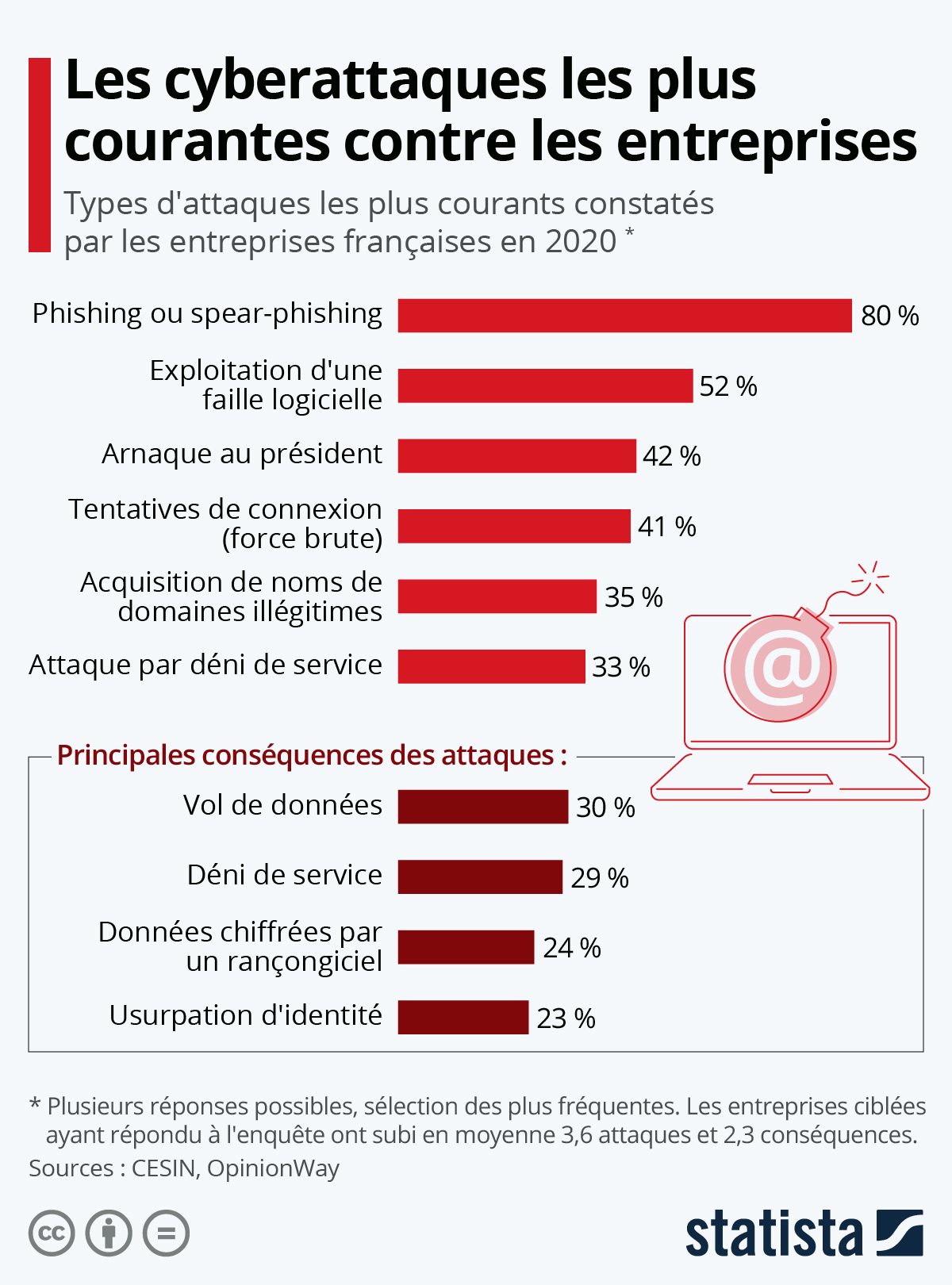
It is important to protect and secure small businesses for several reasons:
Prevent financial losses: small businesses are often vulnerable to cyberattacks, fraud, and other types of damage that can lead to significant financial losses. Protecting and securing the business can help prevent these losses and ensure long-term viability.
Protect sensitive data: small businesses often have access to sensitive data such as customer account information, financial data, and payment details. Protecting this data is critical to prevent data leaks and safeguard customer confidentiality and privacy.
Ensure regulatory compliance: many industries impose strict security requirements to protect customer data. Protecting and securing the business can help ensure compliance with these regulations and avoid penalties or legal action.
Improve company reputation: a business perceived as safe and secure is more likely to attract new customers and retain existing ones. By protecting and securing your company, you can improve its reputation and strengthen your customers' trust.
Here are some measures small businesses can take to protect their company against cyberattacks:
Regularly update software and operating systems: updates often include security patches that help protect the company against cyberattacks.
Use strong passwords: strong, complex passwords are harder to guess or crack. It is also important to change passwords regularly and not reuse the same password across different accounts.
Use security software: security software helps protect the company against viruses, ransomware, and other types of malware.
Raise employee awareness of cyber risks: employees can be a source of vulnerability for the company if they are not aware of cyber risks and how to avoid them. It is important to make them aware of these risks and teach them how to avoid them.
Use a secure connection: when employees work remotely or access sensitive data from a public network, it is important to use a secure connection to protect company data.
Perform regular backups: regular backups make it possible to restore data in the event of an attack or data loss. It is important to store backups in a secure location and to regularly verify that they are valid.
In conclusion, protecting and securing small businesses against cyberattacks is critical to preventing financial losses, protecting sensitive data, ensuring regulatory compliance, and improving the company's reputation. To protect their business, small business owners can implement security measures such as regularly updating software and operating systems, using strong passwords, deploying security software, raising employee awareness of cyber risks, and using secure connections. It is also important to perform regular backups to prevent data loss in case of attack or technical issue. By taking these security measures, small businesses can protect their company and their customers from cyber risks.