

Una red privada virtual (VPN) es una red privada de comunicaciones que se apoya en infraestructura pública, normalmente Internet, para ofrecer una conexión remota segura. Las VPN son utilizadas habitualmente por las empresas para permitir a sus empleados conectarse de forma segura a su red corporativa desde cualquier lugar y en cualquier momento.
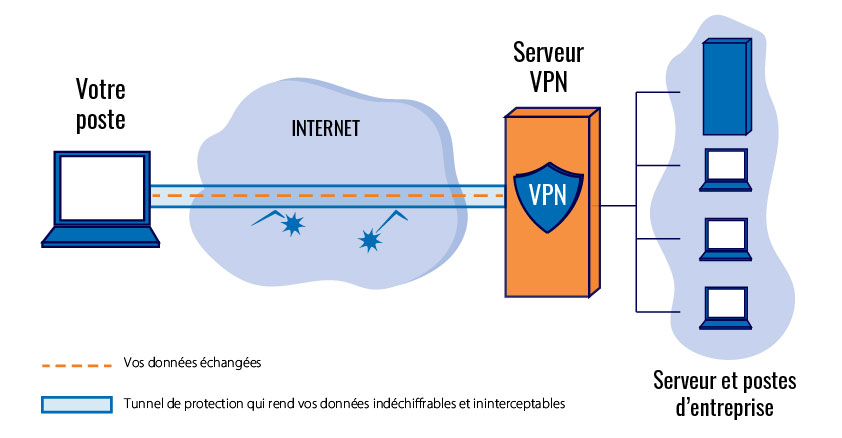
Existen numerosas razones por las que las empresas deberían desplegar una VPN. He aquí algunas de las principales:
Mayor seguridad: el uso de una VPN protege los datos de la empresa de miradas indiscretas y de los ciberataques cuando los empleados se conectan a Internet desde redes públicas o no seguras. Una VPN cifra los datos de la empresa en tránsito, haciéndolos ilegibles para cualquier persona o software malicioso que intente interceptarlos.
Acceso remoto: las VPN permiten a los empleados conectarse a su red corporativa desde cualquier lugar, dándoles acceso a todos sus archivos y aplicaciones de trabajo incluso cuando están de viaje. Esto puede resultar especialmente útil para empresas que cuentan con empleados en remoto o que necesitan conectarse a su red desde lugares en los que las conexiones a Internet no son seguras.
Mayor productividad: al dar a los empleados acceso a sus archivos y aplicaciones de trabajo desde cualquier lugar, las VPN pueden contribuir a aumentar su productividad. También pueden ayudar a reducir los costes asociados a los desplazamientos permitiendo a los empleados trabajar de forma más eficaz mientras viajan.
Ahorro de costes: al permitir a los empleados trabajar de forma más eficaz, las VPN pueden ayudar a las empresas a ahorrar en costes de desplazamiento y de oficina. También pueden ayudar a reducir los costes de telecomunicaciones al permitir que los empleados se conecten a la red corporativa desde sus propios dispositivos en lugar de utilizar líneas de telecomunicaciones costosas.
En resumen, desplegar una VPN puede aportar numerosos beneficios a las empresas al ofrecer una conexión remota segura, una mayor productividad y ahorros de costes.