
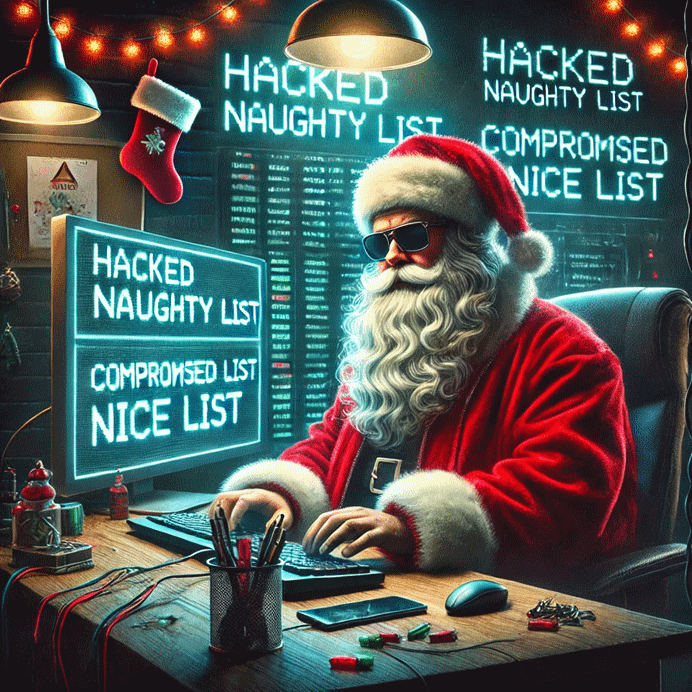
The Christmas season is synonymous with joy, family gatherings and gift-giving. However, it also represents a golden opportunity for cybercriminals, who take advantage of the increase in online shopping, connections to public networks and a drop in user vigilance. This article explores the main cyber risks that emerge during the holidays, illustrates the most common attacks with real-world examples, and offers concrete advice on how to avoid them.
1. Why is Christmas a critical period for cybersecurity?
1.1. An explosion of online transactions
With the rise of e-commerce, Christmas is a period of frenzied spending. According to a Statista study, more than 80% of consumers shop online during the holidays, an increase of 25% compared to a standard period. This surge naturally attracts cybercriminals. 2. Less vigilant behavior The urgency of last-minute shopping and the distractions of the festive season often lead to errors in judgment, making consumers vulnerable to online scams.
1.3. Reduced staffing at companies
Many companies operate with reduced teams at the end of the year. IT departments may be less responsive to attacks, providing an ideal window for cybercriminals.
2. Common cyber risks during Christmas
2.1. Phishing: fake promotional emails and SMS
Phishing campaigns increase significantly during the holidays. Cybercriminals send emails or SMS impersonating popular brands, promising substantial discounts or free gifts. These messages often contain fraudulent links redirecting victims to sites designed to harvest their personal data.
- Example: In December 2023, a massive phishing campaign in France used fake Amazon emails, promising free gift cards in exchange for a simple click on a link. Thousands of users ended up with compromised accounts.
- **SoFBI Internet Crime Complaint Center (IC3) Report](https://www.ic3.gov).
Tips:
- Always check the sender's email address.
- Never click on a link in an unsolicited email.
- Prefer to access official sites by typing their URL directly into your browser.
2.2. Fake e-commerce sites
Fake online retail sites proliferate during the holiday season. These platforms perfectly mimic well-known brands to deceive shoppers.
- Example: In December 2022, a fake site claiming to sell PlayStation 5 consoles at a discount defrauded thousands of consumers. Victims paid without ever receiving their orders.
- Source: Holiday Scams and Fraud Campaign](https://www.europol.europa.eu).
Tips:
- Look up reviews of the site before buying.
- Be wary of prices that seem too good to be true.
- Make sure the URL begins with "https://" and that the site displays a padlock in the address bar.
2.3. Ransomware attacks on companies
Ransomware often targets companies during the holidays, knowing that their IT teams are understaffed. These attacks paralyze systems and demand a ransom to restore access.
- Example: A British retail chain was the victim of an attack in December 2022, losing 48 hours of critical transactions before being able to resume operations.
- Source: ENISA Threat Landscape Report.
Tips:
- Back up your data regularly.
- Apply security updates to your systems.
- Train employees to recognize phishing attempts.
2.4. Public Wi-Fi and data theft
Free Wi-Fi connections in shopping centers or cafes are often unsecured, providing an ideal playground for hackers.
- Example: A 2023 Kaspersky Labs study revealed that 30% of users connecting to public Wi-Fi during their Christmas shopping had their data intercepted.
- Source: [Kaspersky Labs Res://www.kaspersky.com).
Tips:
- Use a VPN to secure your connections.
- Avoid making payments over public networks.
- Disable automatic Wi-Fi on your smartphone.
2.5. Social media scams
Cybercriminals exploit social networks to spread scams, often in the form of fake ads or contests.
- Example: A fraudulent campaign on Instagram in 2023 promised free gift cards in exchange for shares and sign-ups. Thousands of users had their accounts compromised.
- Source: Cybersecurity and Infrastructure Security Agency (CISA).
Tips:
- Be wary of offers that are "too good to be true".
- Never share personal information via private messages.
- Enable two-factor authentication on your accounts.
3. Attacks specifically targeting companies
3.1. Business email compromise
Hackers often target employee mailboxes at the end of the year to gain access to internal systems.
3.2. Espionage via connected gifts
Connected gadgets given as gifts, such as smart speakers or surveillance cameras, can become attack vectors if they are not properly configured.
4. General tips for a cyber-secure Christmas
- Update your software: Install the latest security updates on your devices.
- Strengthen your passwords: Use unique, complex passwords for each account.
- Beware of public Wi-Fi networks: Prefer a secure connection or a VPN.
- Educate your loved ones: Explain the risks to your children or older relatives who are less familiar with cybersecurity.
- Invest in security solutions: Antivirus software and password managers are essential tools.
SYLink, your security partner
The Christmas season is a time of joy, but also fertile ground for cybercriminals. With the rise in attacks and scams, it is crucial to adopt a proactive cybersecurity strategy.
At SYLink, we provide tailored solutions to secure your data and your systems. Our products, such as the SYLink Box and our network monitoring tools, deliver complete traceability and advanced threat detection, ensuring optimal protection. Protect your infrastructure and your users with cutting-edge technologies designed to detect, prevent and respond to cyber threats.
Adopt a proactive defense posture, trust SYLink, and enjoy the holidays with peace of mind.